Growing Civic Leaders Through Art and History
An Arts, Culture, & Democracy Story
Growing Civic Leaders Through Art and History
With Brooklyn Public Library and the Metropolitan Museum of Art
The Metropolitan Museum of Art buzzed with energy as 3,000 teenagers bustled through for the annual Teens Take the Met! event. Small clusters of friends moved from exhibit to exhibit as excited conversations and laughter echoed through the corridors.
Yet in the corner of one gallery, no one was rushing.
Throughout the evening, young people moved between conversation and creation. More than 100 young people gathered around a table to ponder one question: What kind of future do we want to build together? As teens considered, they jotted down words and images to capture their unique vision for the next 250 years in a collaborative mural.
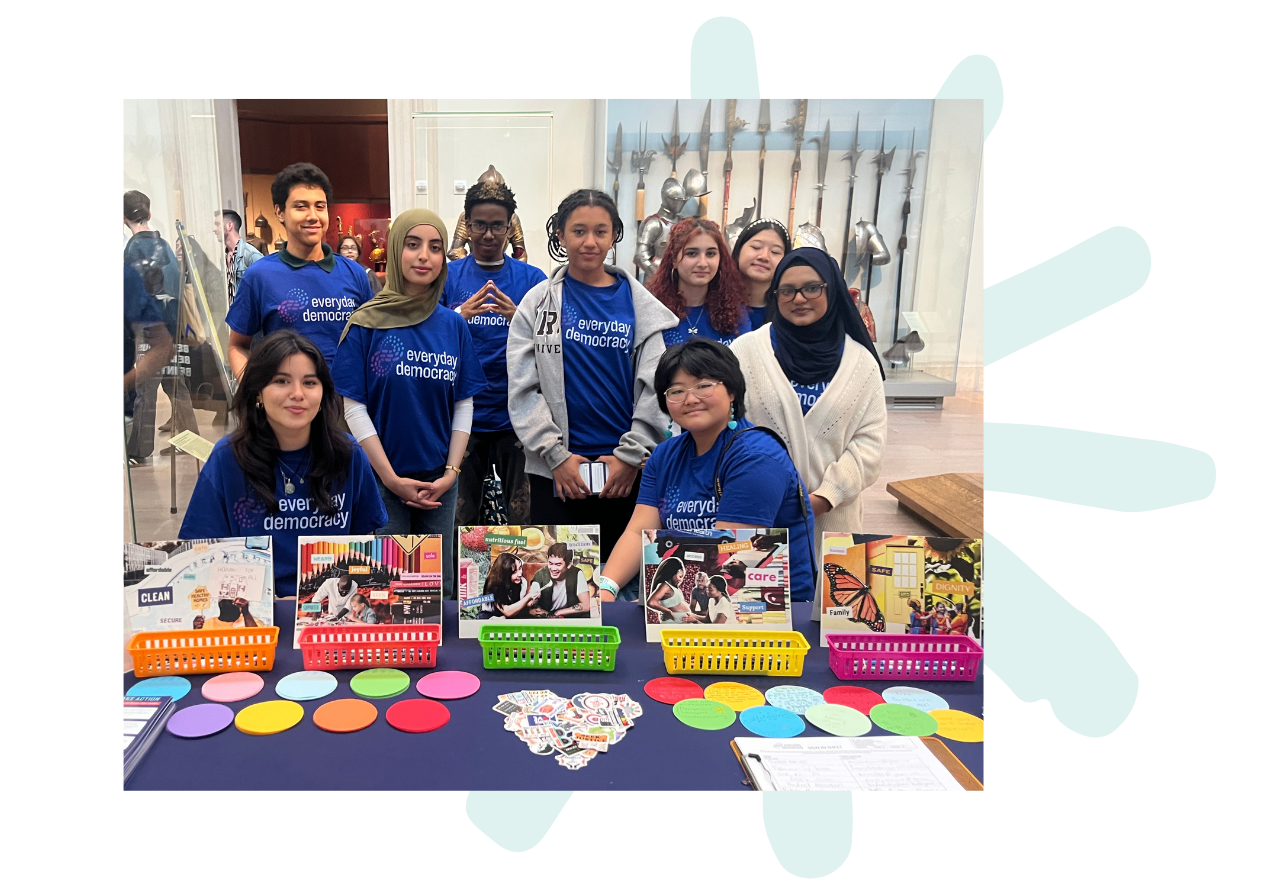
Across both the mural-making space and a nearby exhibition, 14 members of the Brooklyn Public Library's Teen Council—trained by Everyday Democracy—served as peer facilitators. They guided fellow teens through an exhibition inspired by the history of Seneca Village, a thriving nineteenth-century predominantly Black community that was displaced to make Central Park. The discussions invited participants to explore questions about home, belonging, justice, and the kind of communities they hope future generations will inherit.
Conversations that began with history soon turned toward the present. Teens talked about housing, education, healthcare, neighborhoods, and civic action before adding their ideas to a community mural.
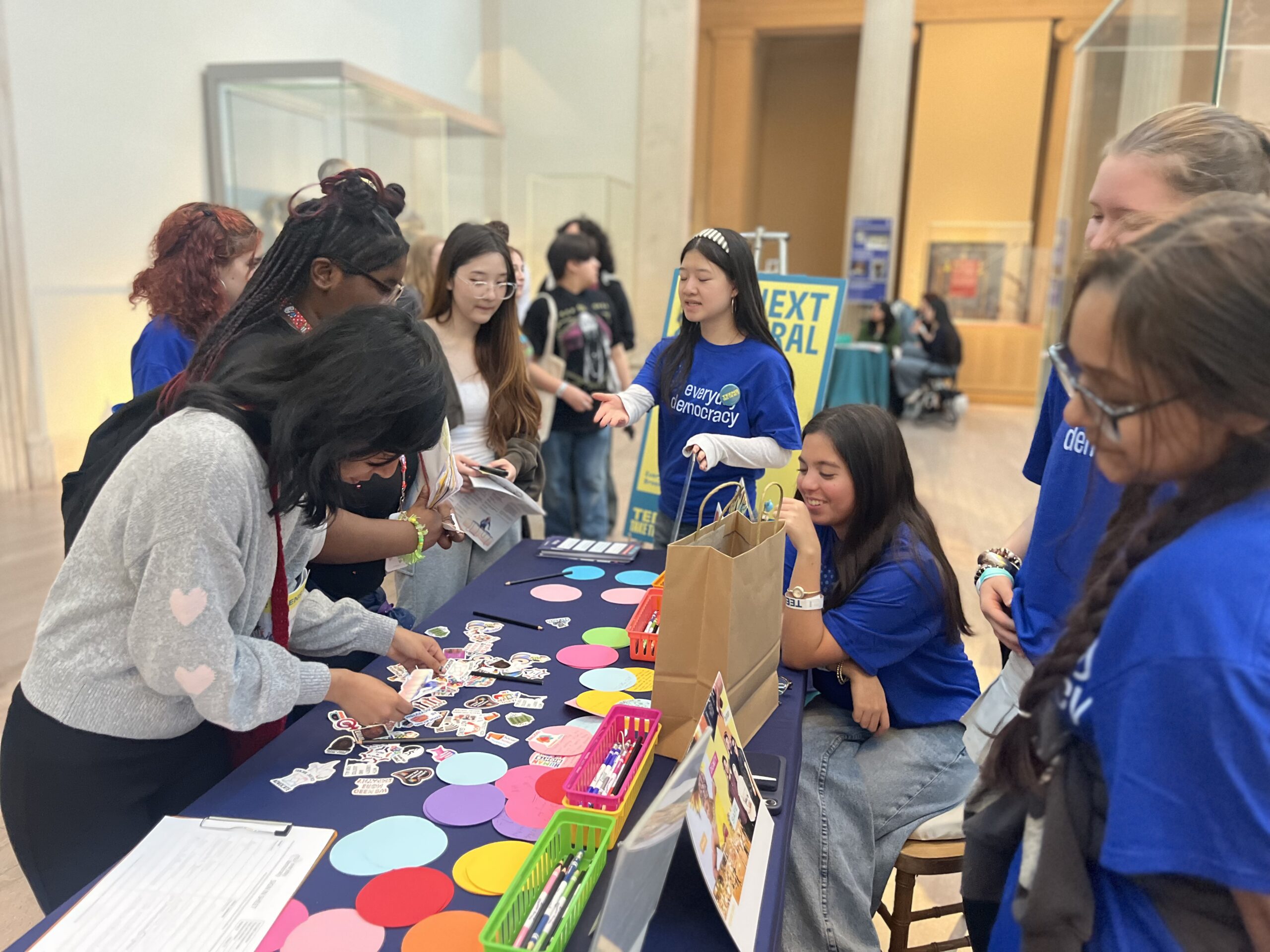
Teens captured wrote down their ideas for the future they want to build for a collective mural.
With a smile, teen facilitator Hadeal moved between the gallery and the mural-making space, welcoming strangers into the conversation.
"Hi! My name is Hadeal and I'm with Everyday Democracy. Would you like to participate in our mural?"
What began as an invitation to create art quickly became an invitation to participate. As young people connected history with the future, they were practicing civic leadership. They were listening to one another's perspectives, asking big questions, and discovering that they could help shape what comes next.
"My favorite part was helping people connect the exhibition back to the mural and the idea of building a better future," Hadeal shared. "Conversations naturally became deeper once people realized history, community, and the future were all tied together."
The experience transformed the teen facilitators as much as the participants they engaged. One reflected on watching the mural fill throughout the evening, "You see a lot of bad stuff in the news, but this makes you feel hopeful… Even though we're all individuals, we're still connected. We can become better if we gather together."
Another facilitator shared, "I really enjoyed uncovering the hidden history… It made me realize that everywhere around us has a story, and it's important to preserve those histories."
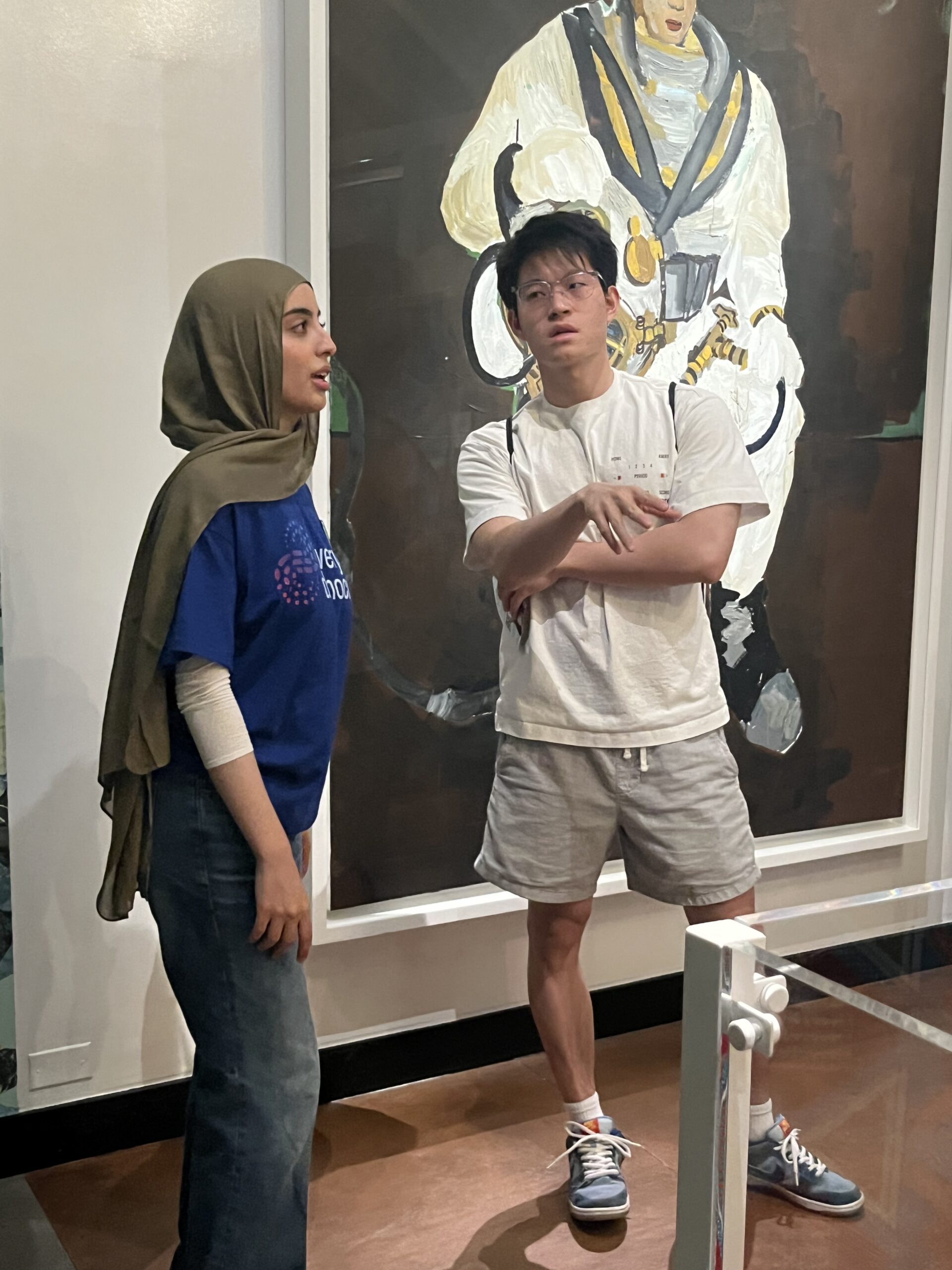
Hadeal, a teen facilitator trained by Everyday Democracy, engages a fellow teen in a conversation about the kind of communities they hope future generations will inherit.
For many of these young people, facilitating wasn't just about leading an activity. It became a chance to practice civic leadership – welcoming strangers into conversation, asking thoughtful questions, helping their peers wrestle with complex issues, and discovering their own capacity to lead.
As Karen Keys of the Brooklyn Public Library observed, "Our teens enjoyed working with Everyday Democracy to do a civic arts activation at Teens Take the Met! They learned about New York City history, engaged with their peers in thinking about the past and future, and had fun dreaming what the next 250 years in America could be."
As our nation marks its 250th anniversary, we're reminded that democracy isn't only practiced in public meetings or at the ballot box. It also takes shape in museums, libraries, and other cultural institutions, where young people discover that their voices matter, their perspectives have value, and they have the capacity to help shape the future of their communities.
More Photos
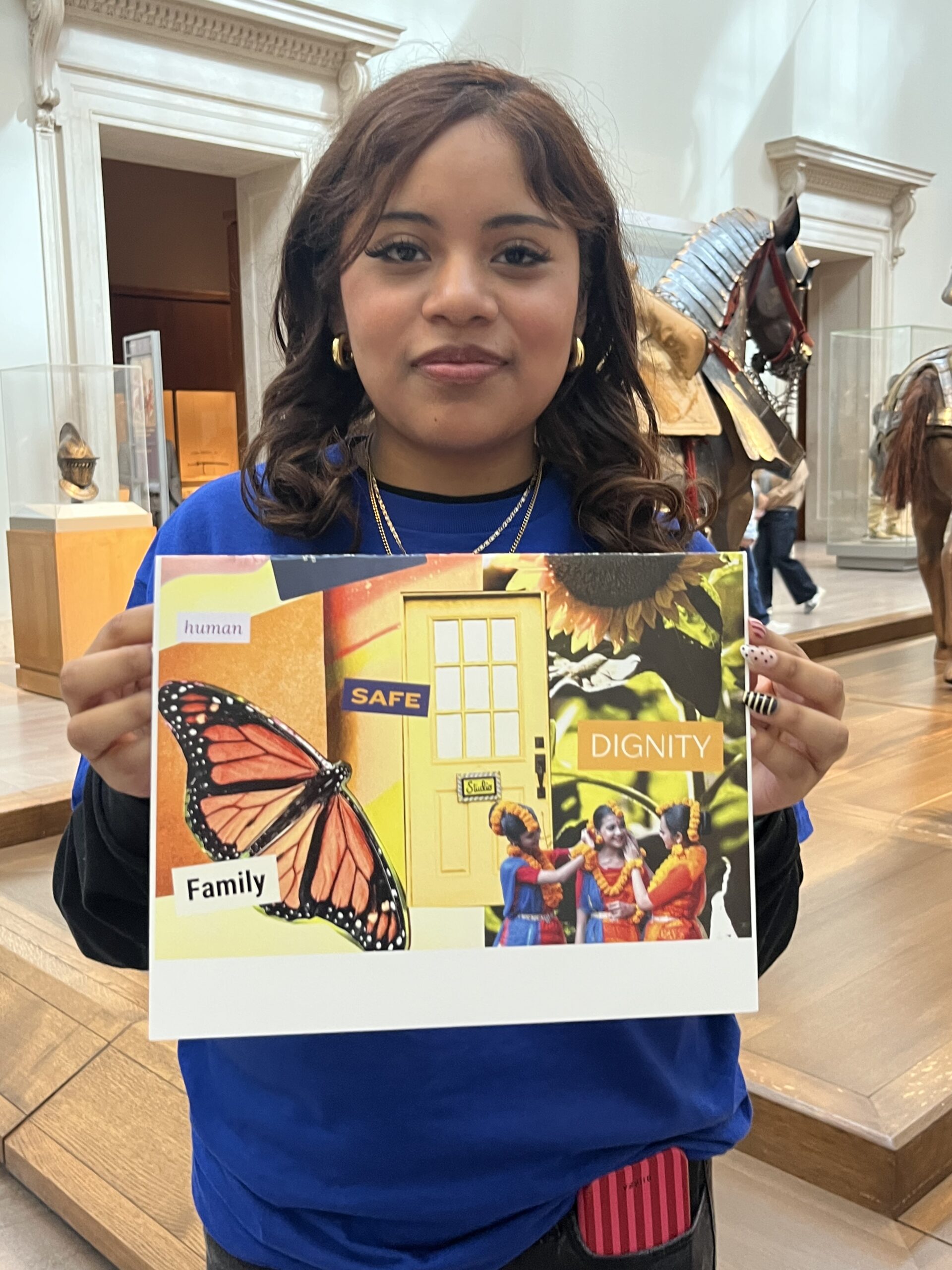
A teen facilitator shares her vision for the future.
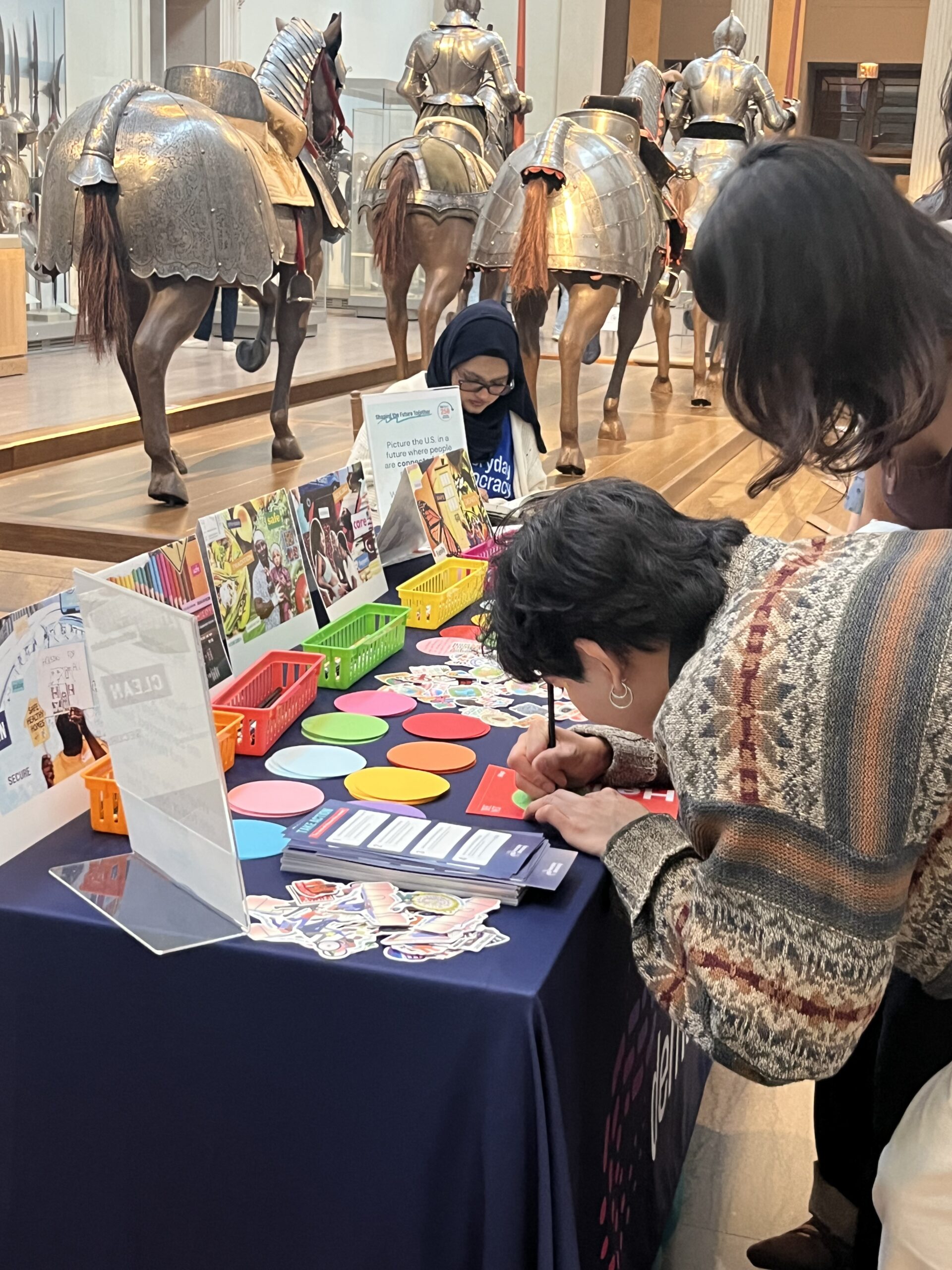
Teens practicing democracy by imaging the future they'd like to see.
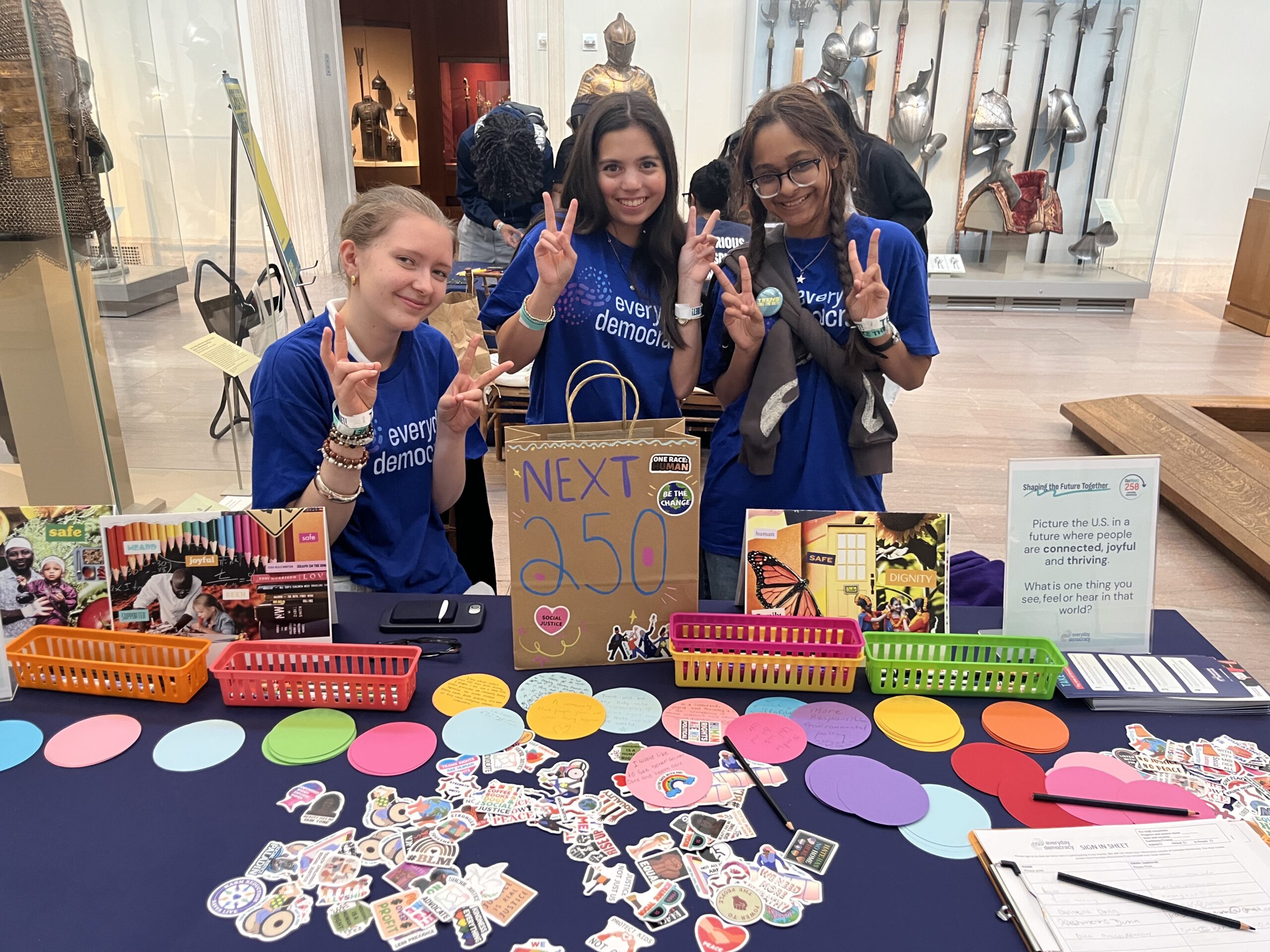
Teen facilitators preparing to engage their peers.
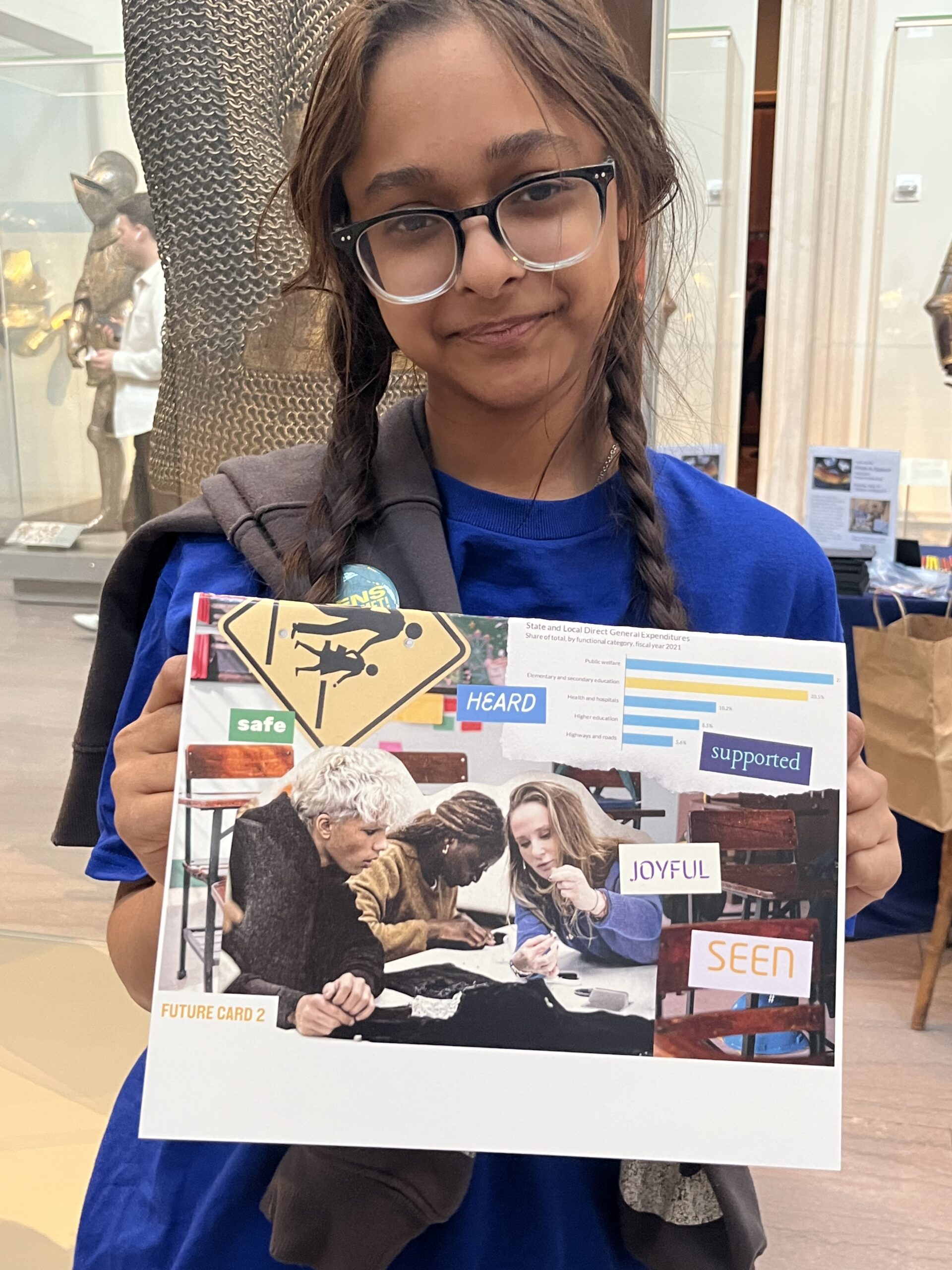
Communities that prioritize education and belonging were the vision for this teen.
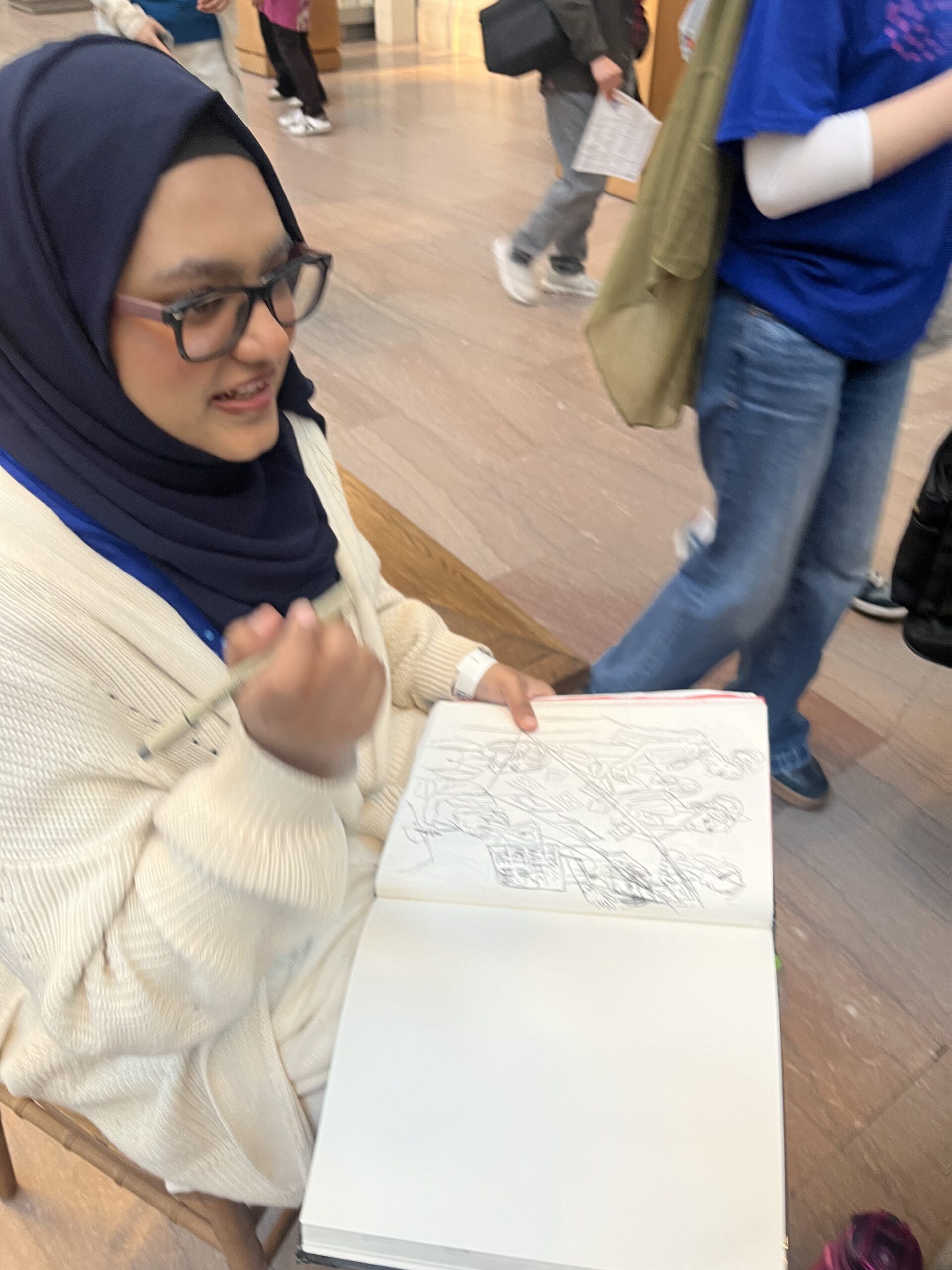
One teen decided to capture the moment by drawing what she was experiencing.
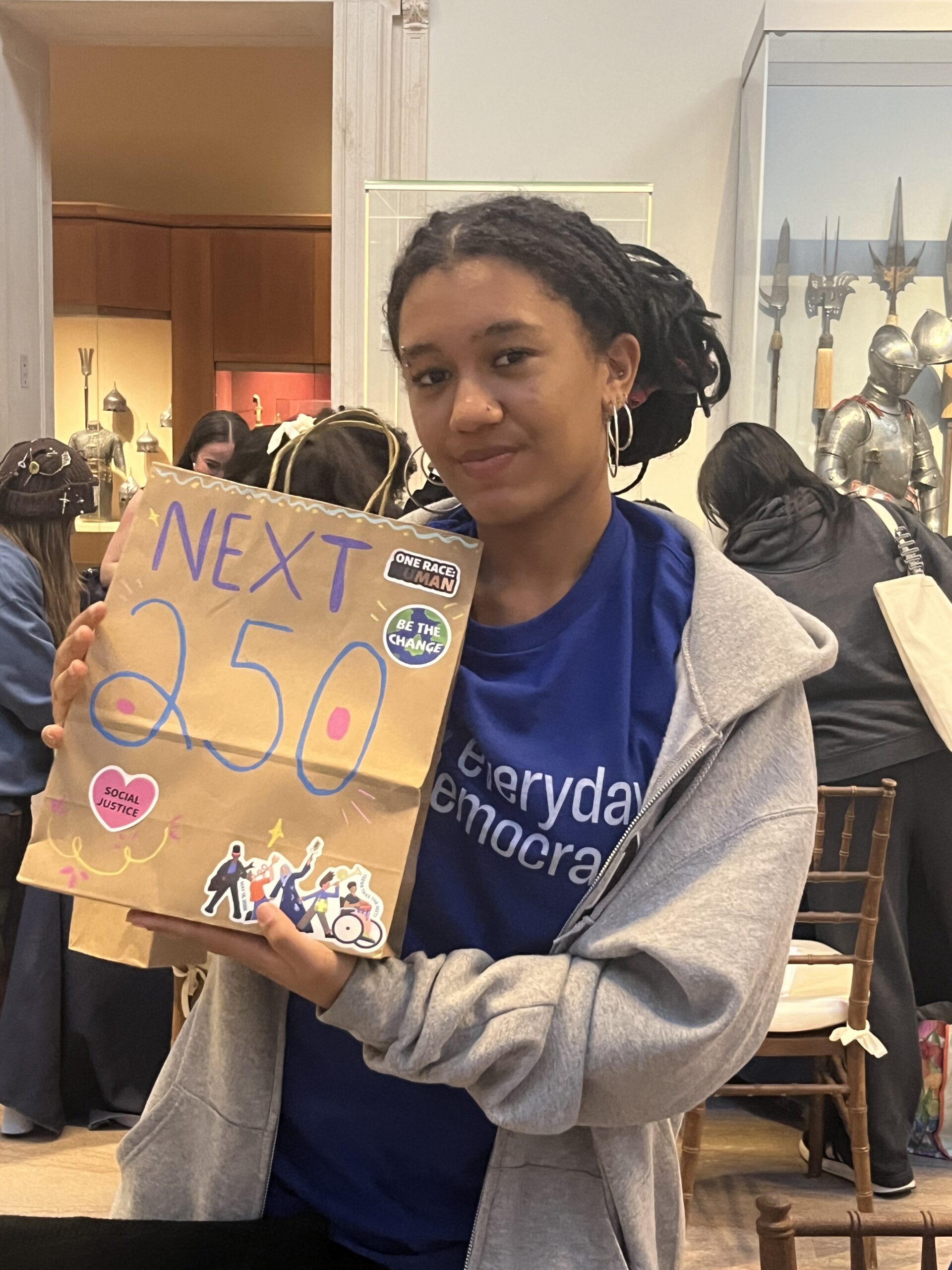
Teens came together to envision what the next 250 years could look like.
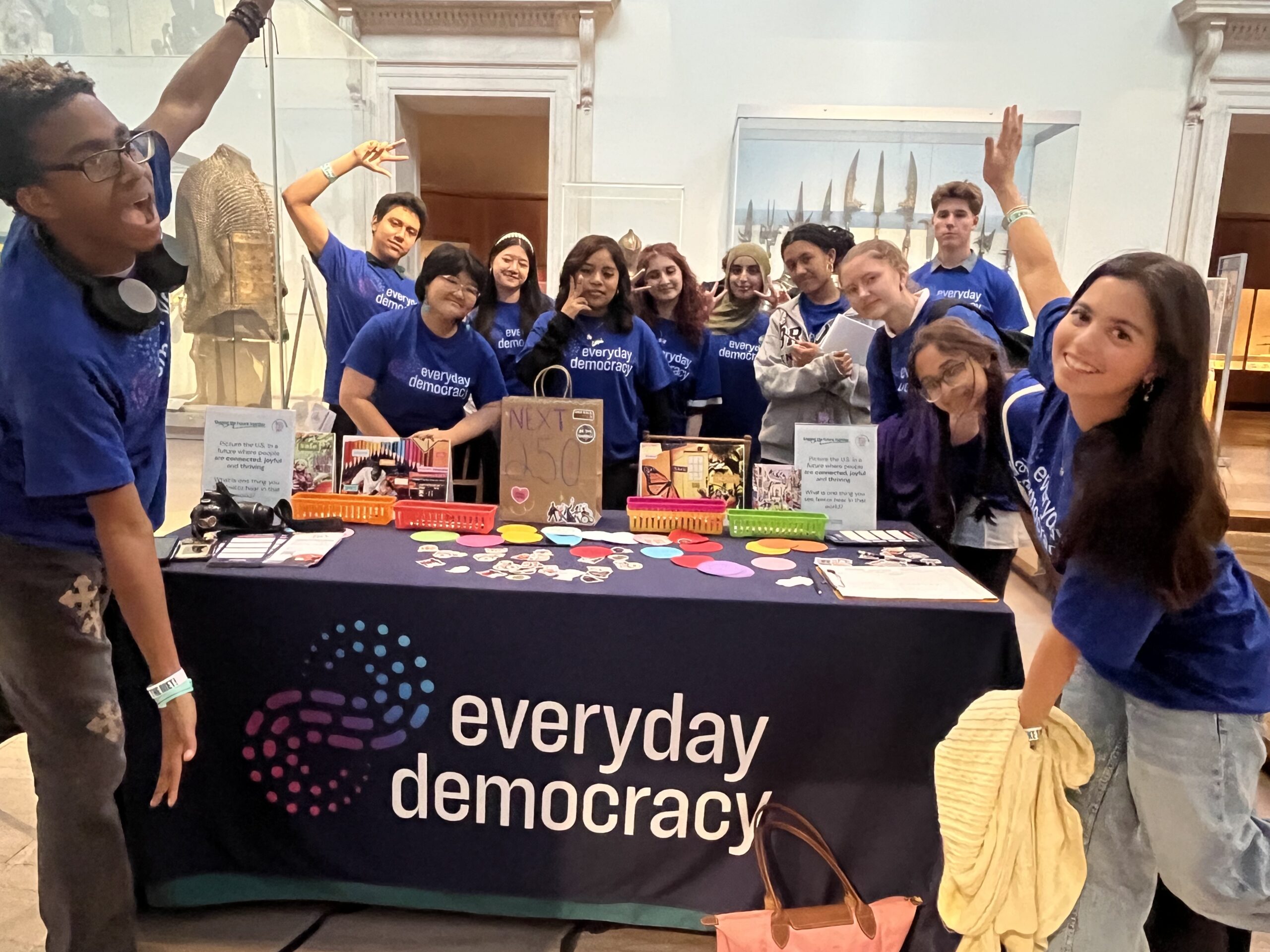
Our teen facilitators stepping into their civic leadership -- and having some fun.